Overview of the Anabolic Cookbook PDF
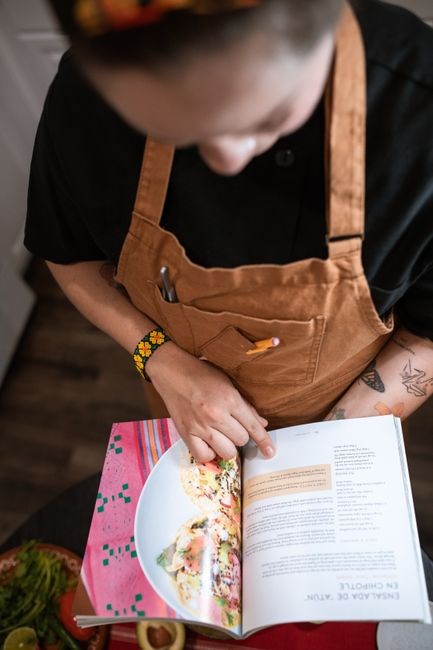
The Anabolic Cookbook PDF offers a concise guide for bodybuilders, featuring meal plans, macro calculations, and simple recipes tailored to muscle growth and fat loss. It consolidates Greg Doucette’s nutrition philosophy into an accessible digital format. Readers can download and print for quick use.

Purpose and Target Audience
The Anabolic Cookbook PDF was conceived as a practical, no‑frills reference for anyone seeking to align daily nutrition with training goals. Greg Doucette, a professional bodybuilder and Master of Kinesiology, distilled years of personal experience and scientific research into a compact guide that can be downloaded, printed, or viewed on a phone. The primary aim is to simplify the often confusing world of macros, portion sizes, and timing so that users can focus on lifting and recovery rather than endless spreadsheet calculations.
Its audience is deliberately broad yet specific: competitive and amateur bodybuilders, powerlifters, CrossFit athletes, and fitness‑centric individuals who want to shed fat while preserving or building lean muscle. The book also appeals to those who have struggled with restrictive diets, offering balanced meal plans that emphasize whole foods, lean proteins, and moderate carbohydrates. By providing clear recipes and step‑by‑step instructions, the PDF serves as both a meal planner and a learning tool for beginners and seasoned athletes alike. Additionally, the guide includes a weekly grocery list, a quick cheat sheet for on‑the‑go meals, and a section on supplement timing to maximize absorption. Readers are encouraged to track progress with simple spreadsheets and adjust macros as strength gains evolve. Users can also swap out ingredients based on availability, ensuring the plan remains flexible without compromising nutritional goal.
The Anabolic Cookbook PDF was conceived as a practical, no‑frills reference for anyone seeking to align daily nutrition with training goals. Greg Doucette, a professional bodybuilder and Master of Kinesiology, distilled years of personal experience and scientific research into a compact guide that can be downloaded, printed, or viewed on a phone. The primary aim is to simplify the often confusing world of macros, portion sizes, and timing so that users can focus on lifting and recovery rather than endless spreadsheet calculations.
Its audience is deliberately broad yet specific: competitive and amateur bodybuilders, powerlifters, CrossFit athletes, and fitness‑centric individuals who want to shed fat while preserving or building lean muscle. The book also appeals to those who have struggled with restrictive diets, offering balanced meal plans that emphasize whole foods, lean proteins, and moderate carbohydrates. By providing clear recipes and step‑by‑step instructions, the PDF serves as both a meal planner and a learning tool for beginners and seasoned athletes alike. Additionally, the guide includes a weekly grocery list, a quick cheat sheet for on‑the‑go meals, and a section on supplement timing to maximize absorption. Users are encouraged to track progress with simple spreadsheets and adjust macros as strength gains evolve. Users can also swap out ingredients based on availability, ensuring the plan remains flexible without compromising nutritional goal.
Greg Doucette, a Canadian bodybuilder and fitness influencer, holds a Master’s in Kinesiology. Known for his blunt coaching style, he blends science with real‑world experience to guide athletes toward sustainable muscle growth and effective fat loss. His blunt coaching style keeps readers focused!!!
Professional Background
Greg Doucette earned a Master’s in Kinesiology from the University of Calgary, specializing in exercise physiology and sports nutrition. He began competing at 18, winning the Canadian Junior National title in 2005 and placing top 10 at the 2007 Mr. Olympia qualifiers. After retiring, he turned to coaching, opening a private studio in Calgary focused on functional strength and hypertrophy. He expanded his reach via a YouTube channel with 1.5 million subscribers, sharing workouts and meal plans. His candid instruction earned him a spot on the Canadian Olympic Committee’s panel, where he helped develop youth strength programs. He has authored peer‑reviewed articles on protein timing and consulted for major sports nutrition brands. He holds a CSCS credential from the National Strength and Conditioning Association. He frequently speaks at international fitness conferences, including the ISSA annual symposium, presenting on protein synthesis and periodization. His work has been featured in Muscle & Fitness and Bodybuilding.com. His blend of academic credentials, competitive experience, and digital influence positions him as a trusted authority in the fitness community. Doucette emphasizes a science‑backed, results‑oriented approach, encouraging clients to track macros, prioritize recovery, and adjust training weekly daily to avoid plateaus. His straightforward communication style has attracted a following, with millions of viewers tuning in for his no‑filter workout videos and nutrition breakdowns today. He also hosts live Q&A sessions, fostering a supportive community where members share progress and troubleshoot challenges.
Influence in Fitness Community

Greg Doucette’s influence in the fitness community stems from his dual role as a former pro bodybuilder and educator. His YouTube channel, with over 1.5 million subscribers, is a primary source for evidence‑based training and nutrition advice. Doucette’s videos are noted for their directness; he offers clear guidance on protein timing, macro cycling, and overload. This approach has earned him a reputation for transparency, earning the trust of both novices and seasoned athletes.
Beyond digital platforms, Doucette speaks at international conferences, including the ISSA annual symposium and the Canadian Strength & Conditioning Association’s national convention. He presents research‑backed sessions on muscle hypertrophy, recovery protocols, and periodization, citing peer‑reviewed studies to support his claims. His presentations are highly interactive, encouraging audience participation and real‑time Q&A, solidifying his role as a thought leader.
He writes for prominent publications such as Muscle & Fitness, Bodybuilding.com, and the Journal of Strength & Conditioning Research, authoring articles on optimizing training variables and nutritional strategies for maximal gains. These pieces are frequently cited by other professionals and academics, amplifying his impact across the industry.
Doucette’s influence is also evident in the community he has cultivated through live streams, Discord servers, and a dedicated subreddit, where followers exchange progress updates, ask for personalized advice, and celebrate milestones. This ecosystem fosters accountability and peer support, reinforcing the practical application of his teachings. Overall, Greg Doucette’s blend of competitive experience, academic rigor, and approachable communication positions him as a pivotal figure in shaping contemporary fitness culture. daily now
Nutritional Framework of the Cookbook
It outlines a 40/30/30 macro split, emphasizing protein for muscle repair, carbs for energy, and fats for hormone balance. Portion control is guided by caloric deficits or surpluses, with meal timing around workouts to maximize absorption. Ideal Daily !!
Macro Nutrient Ratios
The Anabolic Cookbook PDF specifies a precise macro distribution designed to optimize muscle hypertrophy while managing body composition. The recommended split is 40% protein, 30% carbohydrates, and 30% healthy fats, a ratio that aligns with research on anabolic signaling and energy provision for intense training sessions. Protein intake is calculated at roughly 1.2–1.5 grams per pound of body weight, ensuring sufficient amino acid supply for repair and growth. Carbohydrates are prioritized around training windows to replenish glycogen stores, with complex sources such as oats, sweet potatoes and brown rice favored for steady glucose release. Fats are kept moderate, focusing on monounsaturated and omega‑3 fatty acids from foods like olive oil, nuts, and fatty fish, which support hormone production and joint health. This balanced approach allows users to adjust caloric intake for bulking or cutting phases while maintaining metabolic flexibility. The cookbook also offers guidance on adjusting macros based on individual responses, such as increasing protein for leaner body types or adding carbs for high‑volume athletes. By adhering to these ratios, users can systematically build lean mass, reduce fat, and sustain energy throughout the day.
The ratio framework is adaptable; shift protein to 45% for lean mass or reduce carbs to 25% during cutting cycles. Tracking micronutrient intake ensures vitamins and minerals support recovery. Consistent adherence yields measurable gains in strength and body composition over weeks!!
Meal Timing and Portion Control
Strategic meal timing is a cornerstone of the Anabolic Cookbook PDF, emphasizing nutrient intake before, during, and after training to maximize anabolic signaling and recovery. The guide recommends a pre‑workout window of 60–90 minutes, featuring a balanced mix of protein (20–25 g) and fast‑digesting carbohydrates (30–40 g) to fuel glycogen stores and provide amino acids for muscle protein synthesis. During workouts, a small carbohydrate‑rich drink can sustain energy levels without disrupting digestion. Remember to hydrate adequate aim for 3–4 liters per dayand electrolytes.
Post‑training nutrition is critical; within 30 minutes of completing a session, the cookbook advises consuming 30–35 g of high‑quality protein paired with 40–50 g of complex carbs to replenish glycogen and stimulate insulin‑mediated amino acid uptake. Portion control is guided by a simple visual system: a palm of protein, a fist of carbs, and a thumb of fats, ensuring balanced macronutrient distribution while preventing excess caloric intake. The PDF also introduces the concept of “protein pacing,” spreading protein consumption evenly across 4–5 meals to sustain a positive net protein balance throughout the day. For those on cutting cycles, the guide suggests slightly reducing carb portions during non‑training days and increasing protein density to preserve lean mass. By adhering to these timing and portion principles, users can enhance muscle repair, optimize hormonal responses, and maintain lean body composition.
Sample Recipes and Diet Plans
Sample recipes include protein‑rich omelets, grilled chicken with quinoa, and overnight oats. Diet plans feature 5‑meal cycles, 1.5 g protein/kg body weight, 3 g carbs/kg, and 0.8 g fat/kg, tailored to bulking or cutting phases. Each meal includes 30–35 g protein and 40–50 g carbs, ensuring recovery.
Breakfast and Protein Intake
Greg Doucette’s Anabolic Cookbook PDF emphasizes a high‑protein start to the day, recommending 30–35 g of protein per breakfast to support muscle repair and satiety. Typical recipes feature egg‑based dishes, whey‑protein smoothies, and overnight oats mixed with Greek yogurt and berries. The cookbook suggests a 3:1 carb‑to‑protein ratio for bulking phases, ensuring glycogen replenishment while maintaining lean mass. Portion sizes are calculated per kilogram of body weight, with 1.5 g protein per kg as a baseline. For example, a 70‑kg athlete should aim for 105 g of protein across all meals, allocating 30–35 g to breakfast. The guide also advises timing protein intake within the first 30 minutes after waking to maximize anabolic signaling. Additionally, the cookbook offers variations such as a spinach‑and‑mushroom scramble, a banana‑protein shake, and a chia‑seed pudding, each designed to meet macro targets without excessive calories. By following these structured breakfast templates, users can maintain consistent protein levels, support muscle hypertrophy, and reduce post‑workout fatigue. The PDF provides step‑by‑step instructions, nutritional breakdowns, and tips for customizing flavors while staying within the anabolic framework. Readers adjust portion sizes based on caloric needs, track progress, and consult a dietitian for tweaks, ensuring sustainable gains and wellness. health!!!
Post-Workout Meal Options
After a high‑intensity session, the Anabolic Cookbook PDF recommends a balanced recovery meal that delivers 20–30 g of fast‑digesting protein, 40–50 g of carbohydrates, and a modest amount of healthy fats. A classic example is a grilled chicken breast (150 g) served with a sweet‑potato mash and steamed broccoli, totaling roughly 500 kcal and meeting the macro ratio of 3:1 carb‑to‑protein. For those who prefer a shake, a whey‑protein smoothie blended with banana, oats, and almond milk provides 25 g protein and 35 g carbs in under 300 kcal. The guide also suggests a tuna‑salad wrap using whole‑grain tortilla, mixed greens, and a light vinaigrette, which offers 20 g protein, 30 g carbs, and 10 g fat. Timing is crucial; the cookbook advises consuming the meal within 30 minutes post‑workout to maximize glycogen resynthesis and muscle protein synthesis. Portion sizes are adjusted based on training volume and individual caloric needs. Users can swap ingredients—such as substituting turkey for chicken or quinoa for sweet potato—while keeping the macro balance intact. The PDF’s step‑by‑step instructions ensure consistency and ease of preparation, making it a practical tool for both beginners and seasoned lifters. The guide emphasizes hydration, recommending 500 ml of water or a low‑sugar electrolyte drink alongside the meal. By following these structured post‑workout options, athletes can accelerate recovery, replenish glycogen stores, and support lean muscle growth without excess fat gain. The cookbook’s step‑by‑step instructions help maintain a steady nutrient flow, ensuring optimal recovery and muscle repair. Add a side of steamed vegetables to increase fiber and micronutrients vitamins daily!!.
Availability and Legal Considerations
The PDF is freely accessible through the Internet Archive, where users can download the full book. While the author retains copyright, the archive offers it under a public‑domain‑like license for educational use. Users should verify fair‑use compliance before commercial distribution. and share responsibly!!
Download Sources (Internet Archive)
Greg Doucette’s “The Ultimate Anabolic Cookbook” is housed on Internet Archive, a non‑profit digital library that preserves and provides free access to cultural artifacts. To locate the PDF, visit archive.org and enter the title or the unique identifier “the-ultimate-anabolic-cookbook-by-greg-doucette_202203”. The archive hosts a full‑text scan of the original 2022 publication, complete with cover art, table of contents, all chapters; Users can download the file in multiple formats, including PDF, EPUB, and plain text, or view it directly in the browser with the built‑in viewer. The archive’s interface offers a “Download all files” button that bundles the entire book into a single ZIP archive, simplifying offline use. Each file is accompanied by metadata such as the original publication date, creator, and a brief description. The archive also provides a “Request a new copy” feature for users who encounter broken links or corrupted files, ensuring the resource remains available over time. Because the Internet Archive operates under a generous public‑domain‑like license, the book can be freely accessed for personal study, research, and educational purposes. However, the original copyright still belongs to the author and publisher, so any redistribution beyond the archive’s scope requires explicit permission. For those who wish to share the PDF with friends or colleagues, the archive’s “Share” button generates a unique, time‑limited link that can be sent via email or social media, making the resource highly portable. Finally, the archive’s “Citation” tool automatically formats a proper reference for academic and scholarly use, ensuring users credit Greg Doucette and the Internet Archive when citing the cookbook in papers.
Copyright and Fair Use
Greg Doucette’s “The Ultimate Anabolic Cookbook” remains under the original copyright holder’s protection, despite its availability on the Internet Archive. The archive’s hosting is permitted under a license that allows non‑commercial, personal use and educational purposes. Users may download, view, and print the PDF for private study, but any redistribution beyond the archive’s provided links is prohibited without explicit permission from the author or publisher. The text is not in the public domain, so copying large excerpts for commercial use, such as publishing a derivative cookbook or selling the PDF, would violate copyright law. However, the U.S. Copyright Act’s fair‑use doctrine permits limited use for purposes such as criticism, comment, news reporting, teaching, scholarship, or research. These guidelines help users navigate the boundaries of using the cookbook. The fair‑use analysis considers factors like the purpose and character of the use, the nature of the copyrighted work, the amount used, and the effect on the market. Because the cookbook is a commercial product, courts tend to scrutinize any use that could substitute for the original. For those uncertain, it is safest to seek permission or use the archive’s share link, which provides a temporary, limited‑use URL that respects the author’s rights. When citing the book in academic work, the Internet Archive’s citation tool automatically formats a proper reference, ensuring compliance with scholarly standards while respecting copyright constraints.