Cessna 172P Service Manual: A Comprehensive Overview
This detailed manual provides crucial factory procedures for servicing and maintaining Cessna 172-Series aircraft, including Skyhawk models․
It’s a vital resource for owners and mechanics, ensuring safe and efficient operation․
The Cessna 172P Service Manual is the definitive guide for maintaining the popular Skyhawk aircraft․ It encompasses comprehensive instructions for ground handling, servicing, and meticulous upkeep․ This manual isn’t merely a collection of procedures; it’s a cornerstone of safe operation, detailing everything from routine inspections to complex overhauls․
Applicability extends to various models – Skyhawk, Skyhawk II, and Reims/Cessna F172 variants․ Crucially, the manual emphasizes the use of genuine Cessna parts, as recommended intervals and limits are based on their quality․ Staying current with Cessna Service Information Letters (SILs) and Newsletters is paramount, as these updates provide the latest authoritative information․
Importance of Using Official Cessna Documentation
Utilizing official Cessna documentation is absolutely critical for maintaining the airworthiness and safety of your Cessna 172P․ All recommended inspection intervals, replacement times, and overhaul limits are predicated on the use of new, remanufactured, or overhauled Cessna-approved parts․ Deviating from this standard compromises the integrity of the aircraft and potentially voids warranties․
Cessna Dealers possess current manuals and parts catalogs, continuously updated via SILs and Newsletters․ These resources provide the latest authoritative information, ensuring technicians perform maintenance to exacting standards․ Relying on unofficial sources introduces unacceptable risk; official documentation guarantees adherence to Cessna’s rigorous engineering and safety protocols․
Aircraft Maintenance Fundamentals
Proper aircraft maintenance demands strict adherence to factory procedures, utilizing genuine Cessna parts, and prioritizing safety through diligent inspections and repairs․
General Maintenance Warnings and Precautions
Critical safety relies on following all warnings within the Cessna 172P service manual․ Always disconnect the battery before working on the electrical system to prevent accidental activation․ Use only Cessna-approved parts, as substitutions can compromise airworthiness․
Inspect all components thoroughly before installation․ Be mindful of potential hazards like fuel leaks, sharp edges, and moving parts․ Never perform maintenance beyond your qualifications․
Adhere to recommended inspection intervals and life limits․ Document all work performed accurately and completely․ Prioritize a clean and organized workspace․
Remember, meticulous attention to detail and adherence to these precautions are paramount for safe and reliable aircraft operation․
Required Tools and Equipment
Performing maintenance on a Cessna 172P necessitates a comprehensive toolkit․ Essential items include precision torque wrenches (various ranges), standard and Phillips head screwdrivers, pliers, wrenches (open-end, box-end, and socket sets), and safety wire․ Specialized tools like a compression tester, spark plug gap tool, and magneto timing light are also crucial․
Additionally, a multimeter for electrical checks, a borescope for internal inspections, and appropriate lifting equipment are needed․ Always ensure tools are calibrated and in good working order․ Access to Cessna-specific tools, as outlined in the service manual, is highly recommended for accurate and safe maintenance procedures․

Engine Maintenance (Lycoming O-320-E2D)
This section details procedures for the Lycoming O-320-E2D engine, covering oil changes, spark plug maintenance, carburetor overhauls, and magneto timing—essential for optimal performance․
Engine Oil Changes and Filter Replacement
Regular oil changes are paramount for Lycoming O-320-E2D engine longevity․ The Cessna 172P service manual outlines a precise procedure, emphasizing the use of Cessna-approved oil and filters․
Detailed steps include warming the engine, draining the old oil, replacing the oil filter—ensuring proper gasket lubrication—and refilling with the correct oil quantity․
Crucially, the manual stresses verifying oil levels with the dipstick and documenting all maintenance performed․
Adhering to recommended intervals, found within the manual, prevents premature wear and maintains optimal engine performance․
Proper disposal of used oil is also highlighted, adhering to environmental regulations․
Spark Plug Inspection and Replacement
The Cessna 172P service manual details a thorough spark plug inspection process․ This includes checking for electrode wear, fouling, and proper gap settings․ Regular inspection, as per the manual’s schedule, is vital for optimal engine combustion․
Replacement requires using the correct spark plug type, specified within the documentation, and applying anti-seize compound to the threads․
Torque specifications are critical; the manual provides precise values to prevent damage․
Proper gapping ensures efficient ignition․ Documentation of replacement dates and hours is essential for tracking maintenance․
Carburetor Maintenance and Overhaul
The Cessna 172P service manual emphasizes regular carburetor inspections for proper operation․ This includes checking for fuel leaks, float level accuracy, and venturi blockage․ Detailed procedures outline cleaning and adjusting the carburetor, ensuring optimal fuel-air mixture․
Overhaul, performed at specified time intervals, involves complete disassembly, inspection of all components, and replacement of worn parts․
The manual provides specific instructions for reassembly, including precise settings for jets and needles․
Proper tagging and documentation of overhaul details are crucial for maintenance records․
Magneto Inspection and Timing
The Cessna 172P service manual details thorough magneto inspections, focusing on point gap, cam lobe condition, and condenser integrity․ Regular checks ensure reliable ignition system performance․ Precise timing procedures are outlined, utilizing a timing light to verify correct ignition advance․
The manual stresses the importance of proper breaker point lubrication and cleaning․
Overhaul involves replacing worn components like points, condensers, and brushes․
Accurate timing is critical for engine efficiency and preventing detonation, as detailed within the manual’s specifications․
Cylinder Compression Checks
The Cessna 172P service manual outlines a precise procedure for cylinder compression testing, a vital diagnostic step; This involves removing spark plugs and using a compression tester to measure pressure in each cylinder․ Acceptable values are clearly defined, with deviations indicating potential issues like worn piston rings or valve problems․
The manual details a wet compression test, adding oil to the cylinder to differentiate between ring and valve leakage․
Consistent readings across all cylinders are crucial for optimal engine performance, as emphasized in the service documentation․
Airframe Maintenance
The Cessna 172P manual details structural inspections, control surface rigging, landing gear upkeep, and fuel system maintenance for airframe longevity․
Inspection of Aircraft Structure
Detailed structural inspections, as outlined in the Cessna 172P service manual, are paramount for maintaining airworthiness․ These inspections cover the entire airframe, focusing on areas susceptible to corrosion, fatigue, and damage․ The manual provides specific procedures for examining the fuselage, wings, empennage, and control surfaces․
Mechanics must meticulously check for cracks, dents, and evidence of repairs․ Emphasis is placed on areas around fasteners, stress concentrations, and skin laps․ Proper documentation of all findings is crucial, including the location and severity of any discrepancies․ Adherence to the recommended inspection intervals and procedures ensures the continued structural integrity of the aircraft․
Control Surface Rigging and Adjustment
The Cessna 172P service manual details precise procedures for control surface rigging and adjustment, vital for flight safety․ This process ensures proper movement and responsiveness of ailerons, elevators, and rudder․ Rigging involves checking and adjusting control cable tension, bellcrank alignment, and surface travel limits․
The manual specifies acceptable travel ranges and provides step-by-step instructions for making adjustments․ Incorrect rigging can lead to control stiffness, excessive travel, or even control reversal․ Regular inspections and adjustments, following the manual’s guidance, are essential for maintaining optimal flight control performance and preventing potential hazards․
Landing Gear Maintenance
The Cessna 172P service manual provides comprehensive guidance on maintaining the aircraft’s landing gear, crucial for safe landings and ground operations․ Maintenance includes thorough inspections of the main and nose gear assemblies, focusing on components like tires, brakes, struts, and hardware․
The manual details procedures for brake inspection, fluid level checks, and pad replacement․ Strut servicing, including nitrogen charging, is also covered․ Regular inspections are vital to identify wear, corrosion, or damage․ Following the manual’s recommendations ensures the landing gear remains reliable and capable of withstanding landing stresses․
Flap System Inspection and Repair
The Cessna 172P service manual outlines detailed procedures for inspecting and repairing the aircraft’s flap system, essential for controlling lift during various flight phases․ Inspections cover the flap hinges, actuators, control cables, and associated hardware for wear, damage, and proper operation․
The manual guides technicians through functional checks, ensuring smooth and synchronized flap movement․ Repair procedures include cable adjustments, hinge lubrication, and actuator replacement․ Proper flap operation is critical for stall speed control and approach angles․ Adhering to the manual’s guidelines guarantees the system’s reliability and contributes to flight safety․
Fuel System Inspection and Maintenance
The Cessna 172P service manual details comprehensive fuel system inspections, vital for safe flight․ Procedures cover fuel tanks, lines, filters, carburetor, and fuel pump, checking for leaks, corrosion, and obstructions․ Regular maintenance includes draining fuel sumps, inspecting fuel hoses, and replacing fuel filters according to specified intervals․
The manual emphasizes proper fuel grade usage and contamination prevention․ Detailed instructions guide technicians through carburetor cleaning and fuel pump testing․ Maintaining a clean and properly functioning fuel system ensures optimal engine performance and prevents potential in-flight fuel starvation issues, crucial for safe operation․
Electrical System Maintenance
The Cessna 172P manual outlines procedures for battery care, wiring harness checks, and avionics troubleshooting, ensuring reliable electrical performance and safety․
Battery Maintenance and Replacement
The Cessna 172P service manual dedicates specific sections to proper battery upkeep․ Regular inspection of the battery terminals for corrosion is paramount, alongside checking electrolyte levels in non-sealed units․
Detailed guidance is provided for safe removal and installation procedures, emphasizing correct polarity connection to prevent damage to the electrical system․ The manual specifies appropriate battery types and capacities approved for the aircraft․
Furthermore, it outlines testing procedures to assess battery health and determine when replacement is necessary, ensuring reliable starting and electrical power during flight operations․ Adherence to these guidelines is crucial for safety․
Wiring Harness Inspection
The Cessna 172P service manual stresses the importance of meticulous wiring harness inspections․ Technicians must carefully examine wiring for signs of wear, fraying, or damage to insulation․
Specific attention should be given to areas prone to chafing, such as where harnesses pass through structural components․ The manual details proper techniques for checking connector integrity and ensuring secure connections․
It also provides guidance on identifying and repairing damaged wiring, emphasizing the use of approved materials and procedures․ Thorough inspection and maintenance of the wiring harness are vital for preventing electrical failures during flight․
Avionics System Troubleshooting
The Cessna 172P service manual dedicates significant attention to avionics system troubleshooting․ It outlines systematic procedures for diagnosing issues within the radio, navigation, and transponder systems․
Technicians are guided through a process of elimination, starting with power supply checks and progressing to component-level testing․ The manual emphasizes the use of appropriate test equipment and adherence to manufacturer’s specifications․
Detailed schematics and wiring diagrams are provided to aid in fault isolation․ Proper troubleshooting techniques, as detailed in the manual, are crucial for restoring avionics functionality and ensuring flight safety․

Flight Control System Maintenance
The Cessna 172P manual details inspection and replacement procedures for control cables, ailerons, elevators, and rudders, ensuring precise flight control functionality․
Aileron, Elevator, and Rudder Inspection
The Cessna 172P service manual emphasizes thorough inspection of flight control surfaces․ Inspect ailerons, elevators, and the rudder for any signs of damage, including cracks, dents, or fabric deterioration․ Check hinges and control horn attachments for looseness or wear, ensuring secure movement․
Verify control surface travel within specified limits, referencing the manual for precise measurements․ Pay close attention to the balance of each surface, as imbalance can lead to control difficulties․ Look for corrosion, especially around hardware and pivot points․ Proper inspection and maintenance of these components are critical for safe flight operations, and the manual provides detailed guidance․
Control Cable Inspection and Replacement
The Cessna 172P service manual details procedures for inspecting and replacing control cables․ Inspect cables for fraying, kinking, corrosion, or damage to the protective covering․ Check cable tension, ensuring it falls within specified limits for proper control response․ Pay attention to pulleys and fairleads, verifying smooth cable routing and minimal wear․
Replacement should occur if any damage is detected, or if cables fail to meet tension requirements․ The manual provides specific instructions for cable routing, securing, and tension adjustment․ Properly installed and maintained control cables are essential for accurate flight control, and adherence to the manual’s guidance is paramount․
Interior Maintenance
The Cessna 172P manual covers seat maintenance, repair, and upholstery care, ensuring a comfortable and presentable cabin for pilots and passengers․
Seat Maintenance and Repair
The Cessna 172P service manual details procedures for maintaining and repairing the aircraft’s seats, crucial for pilot and passenger comfort and safety․
It outlines inspection criteria for seat frames, upholstery, and adjustment mechanisms․
Repair guidance covers common issues like torn upholstery, broken seat tracks, and damaged seat cushions․
Specifically, the manual will address proper cleaning methods for various upholstery materials to prevent deterioration․
It also provides instructions for replacing worn or damaged seat components, emphasizing the use of genuine Cessna parts․
Detailed diagrams and illustrations aid in understanding the seat assembly and disassembly process, ensuring correct reinstallation and functionality․
Upholstery Care
The Cessna 172P service manual emphasizes proper upholstery care to maintain the aircraft’s interior appearance and prolong the life of the seat coverings․
It details recommended cleaning procedures based on upholstery material – vinyl, fabric, or leather – to avoid damage or discoloration․
The manual advises against harsh chemicals and abrasive cleaners, suggesting mild soap and water solutions instead․
Furthermore, it provides guidance on stain removal techniques and preventative measures, such as using seat covers to protect against wear and tear․
Regular inspection for rips, tears, and fading is also recommended․
The manual stresses the importance of addressing minor upholstery issues promptly to prevent them from escalating into more significant repairs․
Service Information Letters (SILs) and Newsletters
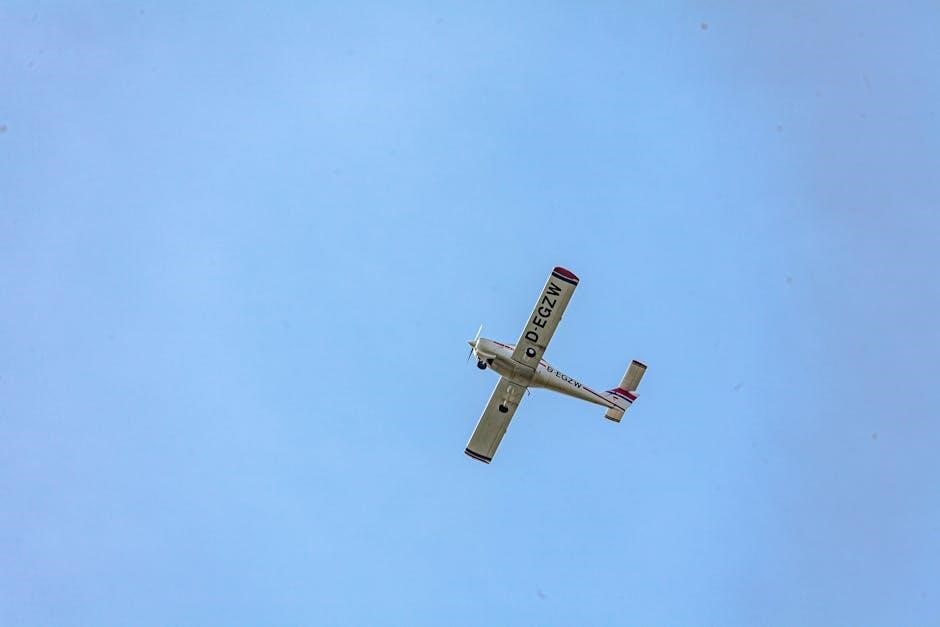
Cessna regularly publishes Service Information Letters (SILs) and Newsletters to disseminate the latest authoritative information for servicing Cessna airplanes․
Understanding Cessna SILs
Cessna Service Information Letters (SILs) are crucial documents providing updates, revisions, and clarifications regarding aircraft maintenance and operation․ These letters address specific issues, introduce new procedures, or modify existing ones, ensuring continued airworthiness․
SILs often detail necessary inspections, component replacements, or adjustments to address potential safety concerns or improve aircraft performance․ They supersede information found in standard manuals, making adherence vital․ Mechanics and owners must diligently track and implement SILs relevant to their specific Cessna 172P․
Properly understanding and applying SILs is paramount for maintaining the aircraft to Cessna’s exacting standards and ensuring safe flight operations․
Accessing and Applying Cessna Newsletters
Cessna Newsletters complement SILs, offering broader updates on maintenance trends, common issues, and best practices for aircraft servicing․ Dealers typically maintain current newsletters, providing a valuable resource for owners and mechanics․
These newsletters often contain practical tips, troubleshooting guidance, and information on new technologies or repair techniques․ They are published by Cessna Aircraft Company to disseminate important knowledge to the aviation community․
Applying the information within Cessna Newsletters proactively can prevent potential problems and enhance the overall reliability and longevity of your Cessna 172P․ Regular review is highly recommended․
Parts Catalog and Ordering Information
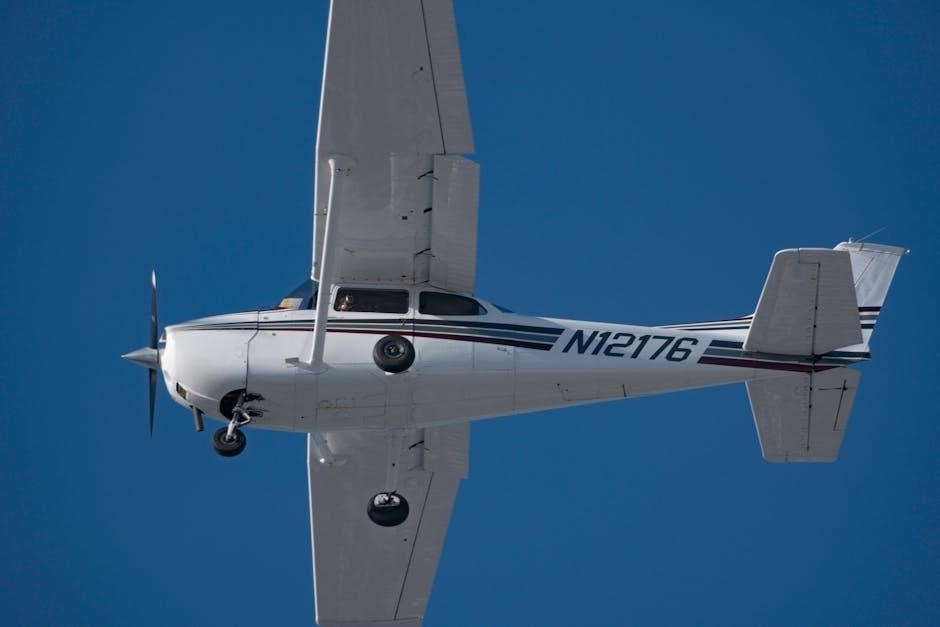
Genuine Cessna parts are essential for maintaining aircraft integrity․ Utilize Cessna’s parts diagrams and catalog to locate and order the correct components efficiently․
Locating Genuine Cessna Parts
Securing authentic Cessna parts is paramount for maintaining the airworthiness and safety of your 172P․ Cessna emphasizes the use of new, remanufactured, or overhauled Cessna-approved components․ A readily available stock of genuine Cessna service parts is highly recommended for efficient maintenance․
Authorized Cessna Dealers are the primary source, possessing current Service Manuals and Parts Catalogs․ These resources are continually updated through Cessna Service Information Letters (SILs) and Cessna Newsletters․ Utilizing these official channels ensures compatibility and adherence to Cessna’s rigorous standards, safeguarding your investment and operational reliability․
Interpreting Parts Diagrams
Cessna Parts Catalogs utilize detailed diagrams crucial for accurate parts identification and ordering․ These illustrations showcase exploded views of assemblies, clearly labeling each component with a unique part number․ Understanding these diagrams requires careful attention to detail, noting relationships between parts and their specific locations within the aircraft․
Part numbers are the key to ordering the correct component․ Catalogs often include revision levels, ensuring you’re referencing the most up-to-date information․ Cross-referencing diagrams with the parts list is essential, verifying quantities and applicable model compatibility for your Cessna 172P․

Troubleshooting Common Issues
This section aids in diagnosing and resolving frequent engine and airframe problems, utilizing the manual’s guidance for effective repairs and maintenance procedures․
Addressing Engine Problems
The Cessna 172P service manual offers detailed procedures for diagnosing and rectifying common Lycoming O-320-E2D engine issues․
It covers critical areas like oil changes, spark plug inspection and replacement, carburetor maintenance, and magneto timing․
Specifically, the manual guides technicians through cylinder compression checks to identify potential internal engine problems․
Furthermore, it emphasizes the importance of using genuine Cessna parts for all repairs and overhauls, ensuring optimal performance and adherence to safety standards․
The manual’s troubleshooting sections provide systematic approaches to pinpointing the root cause of engine malfunctions, leading to efficient and reliable solutions․
Resolving Airframe Issues
The Cessna 172P service manual provides comprehensive guidance on inspecting and repairing the aircraft’s structure, control surfaces, and landing gear․ Detailed instructions cover control surface rigging and adjustment, ensuring precise flight control operation․ It also outlines procedures for flap system inspection and repair, vital for safe approach and landing performance․
Moreover, the manual addresses fuel system maintenance, including leak checks and component replacement, to guarantee reliable fuel delivery․ Crucially, it stresses the use of Cessna-approved parts and adherence to recommended inspection intervals for maintaining airframe integrity and safety․ Structural repair guidance is also included․