Grease for Brake Guide Pins: A Comprehensive Guide (Updated 04/22/2026)
As air disc brake technology gains traction in commercial vehicles‚ understanding optimal guide pin lubrication becomes crucial for performance and longevity.
Brake guide pins are essential components within a vehicle’s braking system‚ facilitating the smooth and consistent movement of the brake calipers. Proper lubrication of these pins is often overlooked‚ yet it plays a pivotal role in maintaining optimal braking performance and preventing costly repairs. This guide delves into the specifics of brake guide pin lubrication‚ covering everything from the importance of using the correct type of grease to application techniques and maintenance schedules.
The increasing adoption of air disc brake technology in the commercial vehicle sector highlights the need for specialized knowledge regarding brake system maintenance. Effective lubrication ensures the pins glide freely‚ allowing the calipers to engage and disengage evenly‚ maximizing stopping power and minimizing uneven pad wear. Ignoring this crucial maintenance step can lead to significant issues‚ impacting both safety and operational costs. This comprehensive guide aims to provide a detailed understanding of all aspects related to brake guide pin lubrication‚ empowering both professional mechanics and DIY enthusiasts.
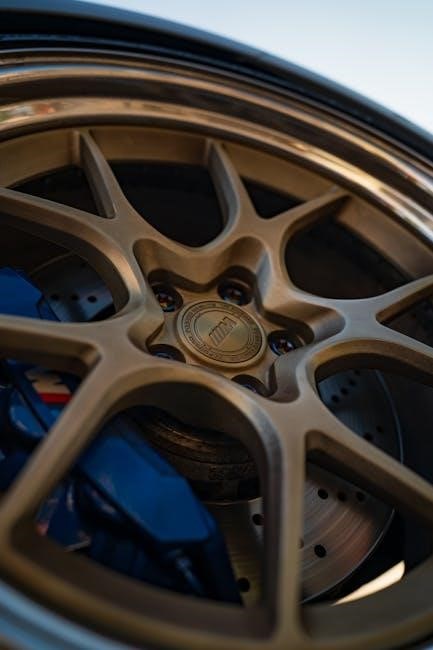
Why Lubricate Brake Guide Pins?
Lubricating brake guide pins is paramount for ensuring consistent and reliable braking performance. Without proper lubrication‚ these pins are susceptible to corrosion and the build-up of debris‚ leading to friction and restricted movement. This restriction hinders the caliper’s ability to center correctly over the rotor‚ causing uneven pad contact and diminished stopping power.
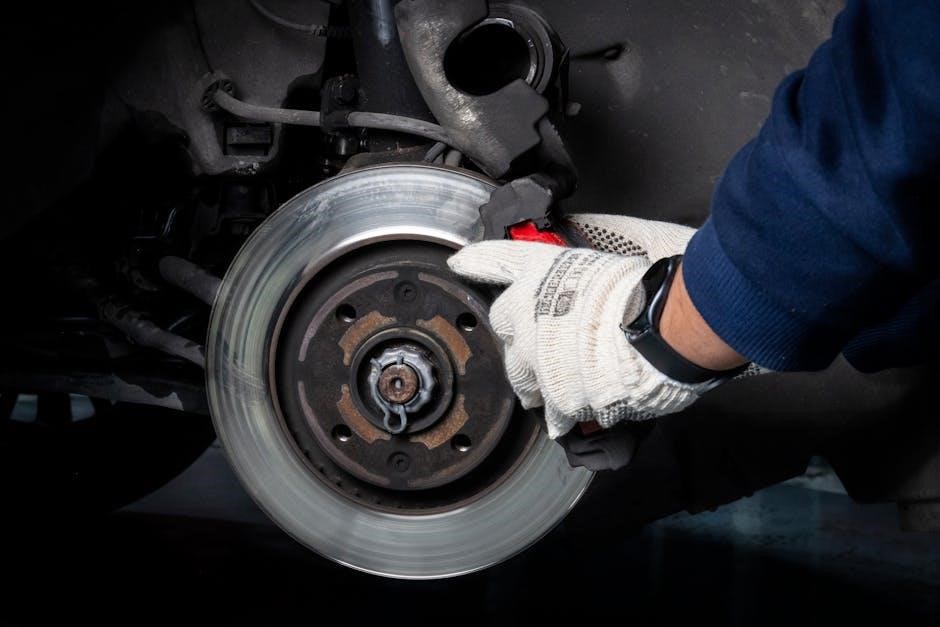
The smooth operation of guide pins directly impacts brake pad wear; sticking pins cause localized overheating and accelerated pad deterioration. Furthermore‚ a seized guide pin can create a significant drag on the braking system‚ reducing fuel efficiency and potentially leading to rotor warping. As air disc brake systems become more prevalent‚ maintaining optimal pin lubrication is even more critical due to the precision required for their operation. Regular lubrication prevents these issues‚ extending the life of brake components and maintaining safe‚ efficient braking capabilities. Ultimately‚ it’s a preventative measure that saves money and enhances vehicle safety.
Consequences of Insufficient Lubrication
Insufficient lubrication of brake guide pins manifests in a cascade of detrimental effects on braking system performance and component longevity. Initially‚ a lack of grease causes increased friction‚ leading to sticking calipers and uneven brake pad wear. This uneven wear dramatically reduces braking efficiency and can create dangerous stopping imbalances.
Prolonged neglect results in corrosion and seizing of the guide pins‚ potentially causing the caliper to remain partially engaged‚ generating excessive heat. This heat not only damages brake pads and rotors but also compromises the brake fluid‚ leading to brake fade. In severe cases‚ a completely seized guide pin can render the brake inoperable. As air disc brake systems demand precise movement‚ inadequate lubrication is particularly damaging‚ accelerating wear and potentially causing catastrophic failure. Ignoring this maintenance aspect translates to increased repair costs‚ reduced safety‚ and diminished vehicle control.
Types of Grease Suitable for Brake Guide Pins
Selecting the appropriate grease for brake guide pins is paramount for optimal performance and longevity. Several types cater to the demanding conditions within a braking system. Silicone-based greases are widely favored for their high-temperature resistance and compatibility with various brake components‚ offering excellent protection against corrosion. Synthetic greases represent a premium option‚ providing superior thermal stability and extended service life‚ particularly beneficial in high-performance or heavy-duty applications.
Lithium-based greases‚ while commonly used‚ possess limitations regarding temperature tolerance and can sometimes exhibit incompatibility with certain brake pad materials. It’s crucial to verify compatibility. Specialized high-temperature greases‚ formulated with additives to withstand extreme heat‚ are also available. The ideal choice depends on vehicle usage‚ operating temperatures‚ and manufacturer recommendations. Always prioritize greases specifically designed for brake systems‚ avoiding general-purpose lubricants that may lack the necessary properties.
Silicone-Based Greases: Pros and Cons
Silicone-based greases are a popular choice for brake guide pin lubrication‚ lauded for their exceptional high-temperature stability‚ typically exceeding 300°F (149°C). This resistance prevents grease breakdown and maintains lubrication effectiveness under intense braking heat. They exhibit excellent water resistance‚ safeguarding against corrosion and ensuring smooth pin operation in various weather conditions. Silicone greases are also chemically inert‚ minimizing the risk of damaging rubber seals or other brake system components.
However‚ silicone greases aren’t without drawbacks. They generally have a lower load-carrying capacity compared to some synthetic or lithium-based options‚ potentially limiting their suitability for extremely heavy-duty applications. Silicone can also ‘migrate’ over time‚ potentially leading to reduced lubrication in critical areas. Furthermore‚ some silicone greases may not adhere as strongly to metal surfaces‚ requiring more frequent reapplication. Careful consideration of these factors is vital when selecting silicone grease for brake guide pins.
Synthetic Greases: Advantages for High-Temperature Applications
Synthetic greases represent a premium option for brake guide pin lubrication‚ particularly excelling in demanding‚ high-temperature environments. Formulated with chemically engineered base oils‚ they offer superior thermal stability compared to conventional petroleum-based or even silicone greases‚ often withstanding temperatures exceeding 400°F (204°C) without significant degradation. This resilience ensures consistent performance during prolonged and intense braking cycles.
Beyond heat resistance‚ synthetic greases boast exceptional oxidation stability‚ resisting thickening and sludge formation‚ which extends relubrication intervals. They also exhibit excellent shear stability‚ maintaining their viscosity under high stress. Many synthetic formulations offer superior water resistance and corrosion protection. While generally more expensive upfront‚ their extended lifespan and enhanced performance can provide a cost-effective solution in the long run. Choosing a synthetic grease specifically designed for automotive brake systems is crucial to ensure compatibility and optimal results.
Lithium-Based Greases: Common Usage and Limitations
Lithium-based greases have historically been a widely used and readily available option for lubricating brake guide pins due to their relatively low cost and general-purpose performance characteristics. They offer decent water resistance and provide adequate lubrication for many standard braking applications. However‚ they possess limitations that make them less ideal compared to synthetic or silicone alternatives‚ especially in modern‚ high-performance braking systems.
A primary drawback of lithium greases is their lower thermal stability. At elevated temperatures generated during heavy braking‚ they can thin out‚ losing their lubricating properties and potentially leading to corrosion. They are also more susceptible to oxidation and can form sludge over time‚ hindering guide pin movement. While suitable for lighter-duty vehicles with infrequent heavy braking‚ lithium greases may not provide sufficient long-term protection or performance in demanding conditions. Careful consideration of operating temperatures and braking frequency is vital when considering lithium-based options.
Temperature Considerations for Grease Selection
Selecting the appropriate grease for brake guide pins necessitates a thorough understanding of the operating temperature range. Brake systems generate significant heat during operation‚ and the grease must maintain its lubricating properties across this spectrum. Lower temperatures can cause some greases to stiffen‚ impeding pin movement‚ while excessive heat can lead to breakdown‚ oil separation‚ and diminished effectiveness.
Consider the vehicle’s intended use. Frequent‚ aggressive braking‚ such as in performance vehicles or commercial trucks‚ subjects the system to higher temperatures than typical daily driving. In such cases‚ synthetic greases with superior thermal stability are crucial. Conversely‚ for lighter-duty applications with minimal heat buildup‚ lithium-based or silicone greases might suffice. Always check the grease manufacturer’s specified temperature range to ensure compatibility with the expected operating conditions. Ignoring temperature limitations can result in premature grease degradation‚ sticking calipers‚ and compromised braking performance.
Compatibility with Brake Pad Materials
Ensuring compatibility between the chosen brake guide pin grease and the brake pad material is paramount to avoid performance issues and potential damage. Certain grease formulations can react negatively with specific pad compounds‚ leading to reduced friction‚ increased stopping distances‚ or even pad glazing. Organic compounds within some greases may soften or degrade certain pad materials over time.
Modern brake pads utilize a diverse range of materials‚ including semi-metallic‚ organic‚ and ceramic compounds. Silicone-based greases generally exhibit excellent compatibility with most pad types‚ making them a versatile choice. However‚ always verify the grease manufacturer’s recommendations regarding pad compatibility; Avoid greases containing molybdenum disulfide if using carbon-ceramic pads‚ as it can cause corrosion. Prioritize greases specifically designed for brake systems‚ as they are formulated to minimize adverse reactions and maintain optimal braking performance. Careful consideration of material compatibility safeguards brake system integrity and driver safety.
Grease Specifications and Standards (NLGI‚ ASTM)
Understanding grease specifications and adhering to industry standards‚ such as those set by the National Lubricating Grease Institute (NLGI) and ASTM International‚ is crucial for selecting the appropriate lubricant for brake guide pins. NLGI grades classify greases based on consistency‚ ranging from 000 (very soft) to 6 (very hard). For brake pins‚ a grease with an NLGI grade of 0 or 1 is typically recommended for easy dispensing and optimal lubrication.
ASTM standards define grease performance characteristics‚ including water resistance‚ oxidation stability‚ and load-carrying capacity. Look for greases meeting ASTM D3527‚ which outlines testing procedures for lubricating greases. High-temperature applications may require greases conforming to ASTM D3527-96‚ indicating superior thermal stability. Always verify the grease’s operating temperature range aligns with the brake system’s expected thermal conditions. Following these standards ensures consistent quality and reliable performance‚ contributing to brake system safety and longevity.
Application Methods for Brake Guide Pin Grease
Proper application of brake guide pin grease is paramount for ensuring smooth caliper operation and preventing corrosion. Begin with thorough disassembly and cleaning of the guide pins and their bores‚ removing all old grease and debris. A quality solvent‚ followed by compressed air‚ is ideal. Avoid abrasive cleaners that could damage the pin surface.
Next‚ apply the chosen grease evenly along the entire length of the guide pin‚ ensuring complete coverage. A small brush or grease gun with a needle-nose applicator can facilitate precise application. Avoid excessive greasing‚ as it can attract contaminants. Reassemble the caliper‚ carefully inserting the lubricated pins into their bores. Ensure smooth movement throughout the entire range of motion. Finally‚ a light coating of grease on the rubber boots helps maintain a seal and prevents moisture ingress‚ extending the lifespan of the lubrication.
Disassembly and Cleaning of Guide Pins
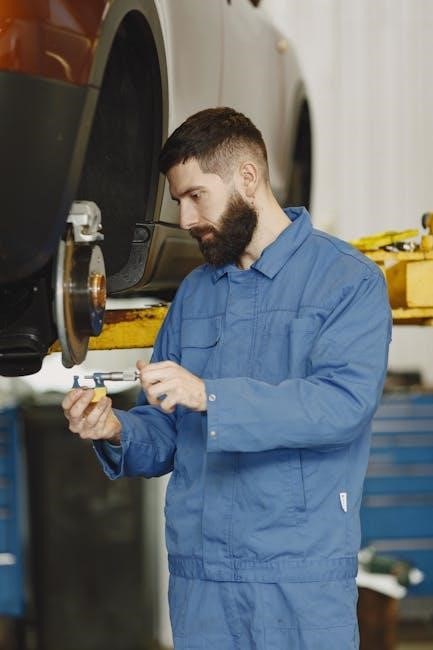
Before applying fresh grease‚ meticulous disassembly and cleaning of the brake guide pins are essential. Begin by safely supporting the vehicle and removing the wheel assembly. Carefully detach the brake caliper‚ noting the position of any shims or clips. Once removed‚ gently tap the guide pins out of the caliper bracket using a soft mallet – avoid forceful hammering which can cause damage.
Thorough cleaning follows. Utilize a dedicated brake parts cleaner‚ spraying liberally to dissolve old grease‚ rust‚ and accumulated brake dust. A parts cleaning brush can aid in removing stubborn deposits. Inspect the pins for any signs of corrosion‚ pitting‚ or damage. If damage is present‚ replacement is recommended. After cleaning‚ dry the pins completely with compressed air before proceeding to lubrication. A clean surface ensures optimal grease adhesion and performance.
Proper Grease Application Techniques
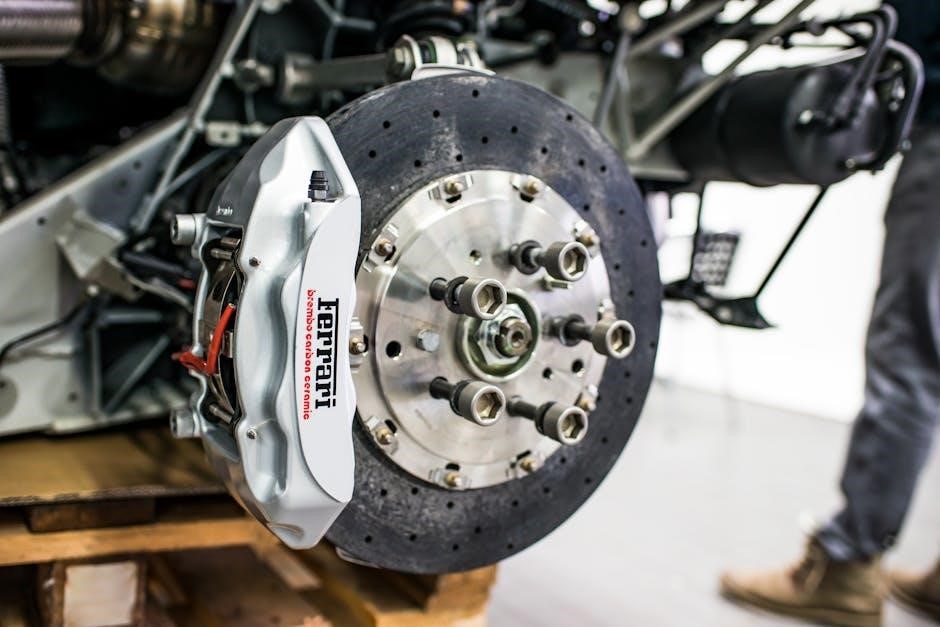
Applying grease to brake guide pins requires a precise technique to ensure smooth operation and prevent issues. After cleaning and drying the pins‚ use a small brush or a grease gun with a needle-nose applicator to evenly coat the entire surface of each pin. Focus on covering the areas that slide within the caliper bracket.
Avoid applying grease excessively; a thin‚ consistent layer is sufficient. Excess grease can attract dirt and debris‚ creating a paste-like substance that hinders movement. Work the grease into the pin’s surface‚ ensuring complete coverage. When re-installing the pins‚ rotate them slightly as you insert them into the bracket to distribute the grease evenly. This action promotes smooth sliding and prevents binding. Proper application is key to maximizing the benefits of the chosen grease and maintaining optimal braking performance.
Quantity of Grease to Apply
Determining the correct amount of grease for brake guide pins is critical; too little leads to friction‚ while too much attracts contaminants. A general guideline is to apply enough grease to create a visible‚ yet thin‚ film covering the entire pin surface. Avoid large globs or excessive buildup.
For most guide pins‚ approximately 0.5 to 1 gram of grease per pin is usually sufficient. This equates to roughly a pea-sized amount. The goal isn’t to pack the area full of grease‚ but to provide a lubricating layer that allows for smooth movement. After applying‚ work the pin back and forth to distribute the grease evenly. Regularly inspect the pins during brake service to ensure adequate lubrication remains‚ and reapply as needed; Remember‚ less is often more when it comes to brake system components‚ prioritizing cleanliness and functionality.
Frequency of Re-Lubrication
The frequency of re-lubricating brake guide pins depends heavily on driving conditions and vehicle usage. For typical passenger vehicles experiencing normal daily driving‚ re-lubrication every 25‚000 to 30‚000 miles‚ or approximately every two years‚ is a reasonable interval. However‚ this is merely a guideline.
Vehicles subjected to severe duty – frequent hard braking‚ towing‚ off-road driving‚ or operation in dusty/corrosive environments – require more frequent attention‚ potentially every 10‚000 to 15‚000 miles. During each brake pad replacement‚ guide pins should always be inspected‚ cleaned‚ and re-lubricated. Regularly checking for signs of degradation‚ like dried-out grease or corrosion‚ is also vital. Proactive maintenance prevents sticking calipers and ensures optimal braking performance‚ ultimately enhancing safety and extending component life.
Identifying Signs of Grease Degradation
Recognizing the signs of degraded brake guide pin grease is crucial for maintaining optimal braking performance. A primary indicator is a change in grease consistency – it may become hardened‚ dried out‚ or appear cracked. Discoloration‚ shifting from a clear or light color to a dark‚ murky hue‚ also signals degradation. The presence of dirt‚ dust‚ or metallic particles embedded within the grease indicates contamination and reduced lubricating properties.
Visually inspecting the guide pins during brake service reveals further clues. Sticking or sluggish movement of the pins is a clear sign the grease has lost its effectiveness. Rust or corrosion on the pins themselves suggests the grease’s protective barrier has failed. Ignoring these signs can lead to caliper malfunction‚ uneven pad wear‚ and compromised braking ability. Regular inspection and timely re-lubrication are essential preventative measures.
Common Mistakes to Avoid When Lubricating Guide Pins
Several common errors can compromise the effectiveness of brake guide pin lubrication. Applying insufficient grease is a frequent mistake‚ leading to metal-on-metal contact and eventual seizing. Conversely‚ over-greasing can attract dirt and debris‚ creating a paste-like substance that hinders movement. Using the wrong type of grease – one not specifically designed for high-temperature brake applications – is another critical error.
Failing to thoroughly clean the pins before re-lubrication traps old‚ contaminated grease‚ negating the benefits of fresh lubricant. Neglecting to properly seat the dust boots after lubrication allows contaminants to enter the system. Avoid mixing different grease types‚ as this can cause chemical reactions and reduce their lubricating properties. Finally‚ skipping regular inspections and re-lubrication intervals allows degradation to occur‚ ultimately leading to costly repairs and safety concerns.
Tools Required for Brake Guide Pin Maintenance
Performing effective brake guide pin maintenance necessitates a specific set of tools. A socket set‚ including various sizes to accommodate different caliper designs‚ is fundamental for disassembly. A brake caliper piston compression tool is often needed to retract the pistons‚ creating space for pin removal. High-quality brake cleaner is essential for thoroughly removing old grease and contaminants from the pins and surrounding areas.
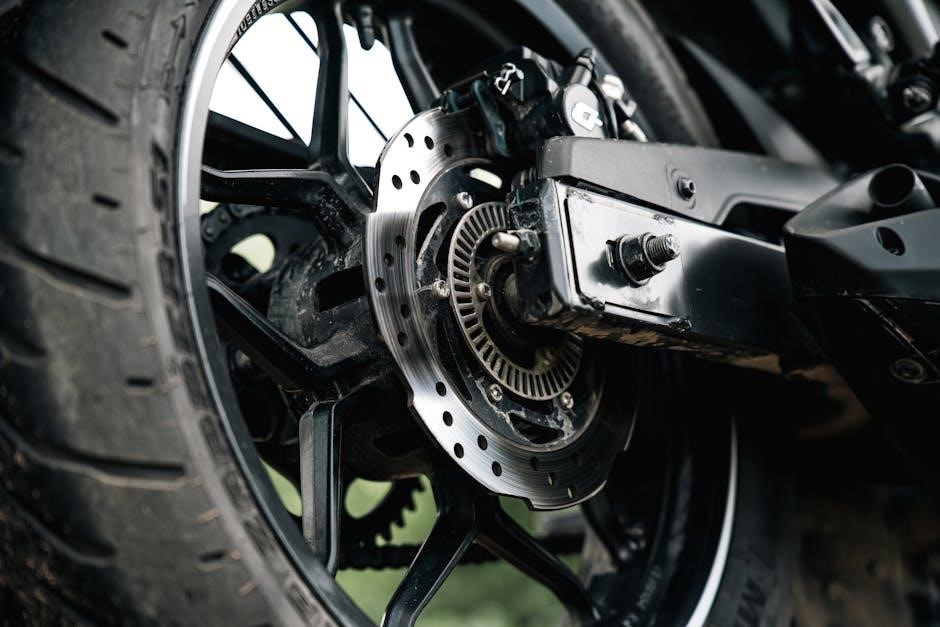
A wire brush or small abrasive pad assists in cleaning stubborn residue. A grease gun‚ ideally with a needle-nose attachment‚ facilitates precise grease application. Torque wrench ensures proper reassembly‚ preventing over or under-tightening. Protective gloves and safety glasses are crucial for personal safety. Finally‚ a lint-free cloth is needed for wiping excess grease and ensuring a clean work environment. Having these tools readily available streamlines the maintenance process and ensures optimal brake performance.
Troubleshooting: Sticking Brake Calipers and Grease Issues
Sticking brake calipers are frequently linked to inadequate or degraded guide pin lubrication. If a caliper feels sluggish or exhibits uneven pad wear‚ inspect the guide pins first. A visual check can reveal dried‚ cracked‚ or missing grease. Attempt to manually move the caliper; resistance indicates a potential issue. If pins are seized‚ carefully remove them and thoroughly clean both the pins and the caliper bores.
Ensure no corrosion or damage exists. Applying fresh‚ appropriate grease and reassembling can often resolve the problem. However‚ if the pins are severely corroded or the bores damaged‚ replacement is necessary. Ignoring sticking calipers compromises braking performance and can lead to premature wear of other components. Regularly scheduled lubrication‚ coupled with proactive inspection‚ prevents these issues and maintains optimal braking safety and efficiency.